Planning your honeymoon: the timeline and the mistakes to avoid
Time of year, budget, pace, bookings: how to plan a stress-free honeymoon, step by step, from a travel agent who designs them to measure.
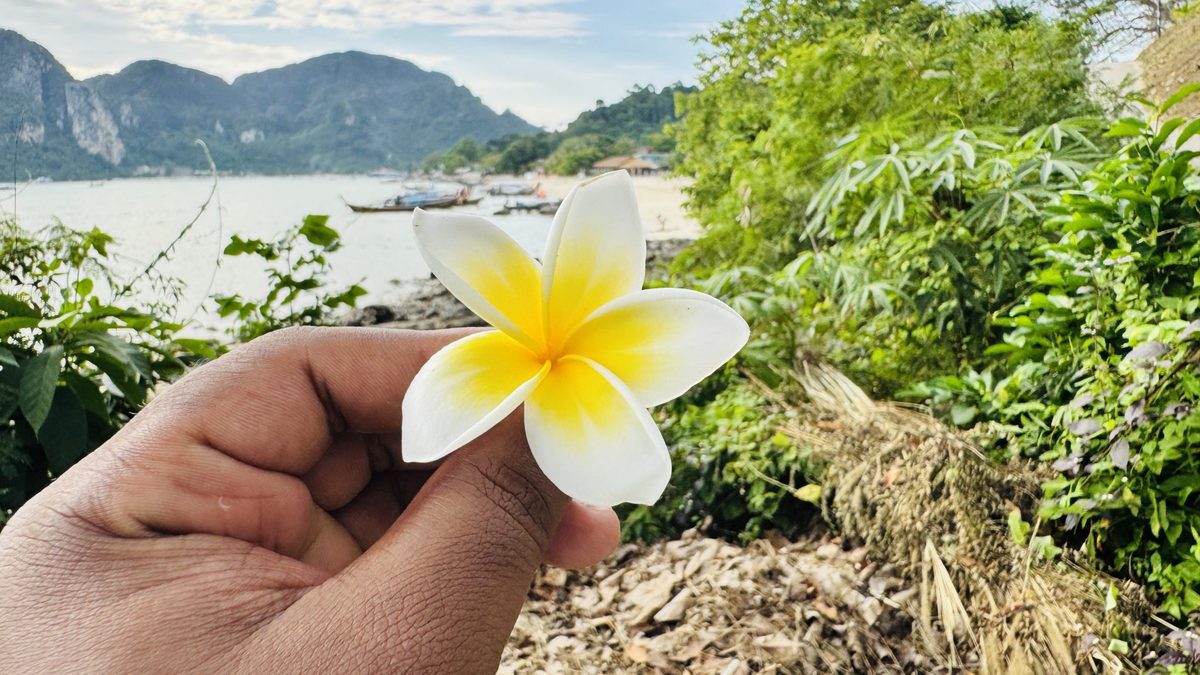
A honeymoon is a trip like no other. You plan it at the very moment you have the least time and energy to do so, under a particular kind of pressure, because it only happens once. Here is how I advise organising it, step by step, along with the mistakes I see most often among the couples who contact me.
1. Start with the time of year, not the destination
It is counter-intuitive, but the destination is not the first choice to make. The time of year is. Every destination has its good and bad seasons, and a dream destination visited at the wrong moment quickly becomes a trip you endure: monsoon rains, crushing heat, cyclone season or school-holiday crowds.
Once the time of year is set, the list of destinations at their best at that moment shrinks considerably. And that is good news: choosing finally becomes possible.
2. Leave straight after the wedding, or later?
There is no universal answer. Leaving right away is the most symbolic option. It works well with a nearby destination, a simple itinerary and a genuinely restful programme. It works badly when it means a long flight the day after a sleepless night.
Postponing by a few weeks is the most common compromise among the couples I work with: you recover, you enjoy your wedding memories, and you leave with a clear mind. Postponing by several months is not giving something up when your dream destination is at its worst season at the time of the wedding: it is what separates the dream trip from the failed one.
3. Set a budget before you start dreaming
I always ask for a budget from our very first conversation. It is not a formality: it is what makes it possible to propose a realistic trip rather than a list of ideas out of reach. A wedding often takes a large bite out of a couple's finances, and the honeymoon deserves a clear budget, decided together.
Two wonderful stops are better than a string of compromises. I prefer to focus the budget on what matters to you, an exceptional room, a unique experience, rather than spread it across an itinerary that is too long.
4. Do not overload the programme
This is the most common mistake, and also the most common request at our first conversation: to see as much as possible. Yet a packed honeymoon misses the point. You are coming out of an exhausting year, and the trip should leave you time to be together.
My guidelines: no more than one change of accommodation every three or four days, half-days with nothing planned, and a quiet end to the stay. Coming back to everyday life is gentler when the last days have not been spent in transfers.
5. Book what is rare first
In every trip, there are two or three bookings you cannot improvise: a ryokan in Japan, an overwater villa, a room with a view, a high-season flight. They are the first to go, and they must be secured as soon as the itinerary is approved.
That is also why I always build the itinerary before the quote: once the programme is settled, I can book in the right order.
6. Let them know it is your honeymoon
Hotels and other establishments treat a stay flagged as a honeymoon differently. It is a detail you only get by asking, at the right time and of the right person. I do it systematically for my couples.
7. Check your documents, and your names
Passports, entry formalities, electronic authorisations: the rules change regularly, and some destinations require a passport valid for several months after your return. I check them for every trip.
One point specific to honeymoons: the name on your plane tickets must match exactly the one in the passport you travel with. If one of you is changing name after the wedding, it is better to book in the name shown on your current passport, and not to renew your documents just before departure.
8. Getting help, or not
You can organise everything yourselves. But a honeymoon comes at the worst possible time to do so: right in the middle of planning the wedding. Going through a registered agency gives you a single point of contact who knows your file, confirmed bookings, a financial guarantee if a supplier fails, and someone to call if anything changes. I explain the difference between an agency and a travel planner in this article.
The timeline in brief
- As soon as the wedding date is set: decide whether to leave straight away or later, and set the time of year.
- Next: agree on the budget together, then choose the destination from those at their best at that time.
- Once the itinerary is approved: book the flights and the rarest accommodation first.
- Before departure: check your documents, receive your travel book, and stop thinking about it.
Destination ideas
To help you picture it, I have gathered my advice for four honeymoon destinations I often design: Japan, Thailand, Mauritius and Italy. And all my destinations are on this page.
Frequently asked questions
The questions people ask me about honeymoons.
When should you start planning your honeymoon?
As soon as the wedding date is set, you should at least decide on the time of year. The bookings themselves can wait until the itinerary is approved, but the most sought-after accommodation and high-season flights go early.
How long should a honeymoon last?
It depends on the destination: a week is enough in Europe, whereas a long-haul destination really deserves two weeks so that jet lag and flights do not weigh too heavily.
Do you need to have chosen the destination before contacting an agency?
No, and it is often more comfortable not to have done so. The time of year, the budget and what you are really looking for are enough to get started.
Can you pay for your honeymoon in instalments?
Yes. With me, a first deposit triggers the bookings and payment can be made in one or several instalments, by bank transfer, bank card or chèques-vacances (French holiday vouchers).
Further reading
To go further
Two ways to begin
A clear project, or just an idea?
Both can be worked on. The only difference is the starting point.
Tell me about your project
The form takes three minutes. Dates are not required: if you do not have them yet, an approximate period is enough.
Describe my projectBook a call
Thirty minutes by video or phone, free and with no obligation, to clarify an idea that is still vague and see whether I am the right person for you.
Choose a time slot